Cost math · 4 min read
Why 'We Self-Insure' Is the Most Expensive Sentence in a District Budget
September 29, 2026 · AKKO K–12 Team
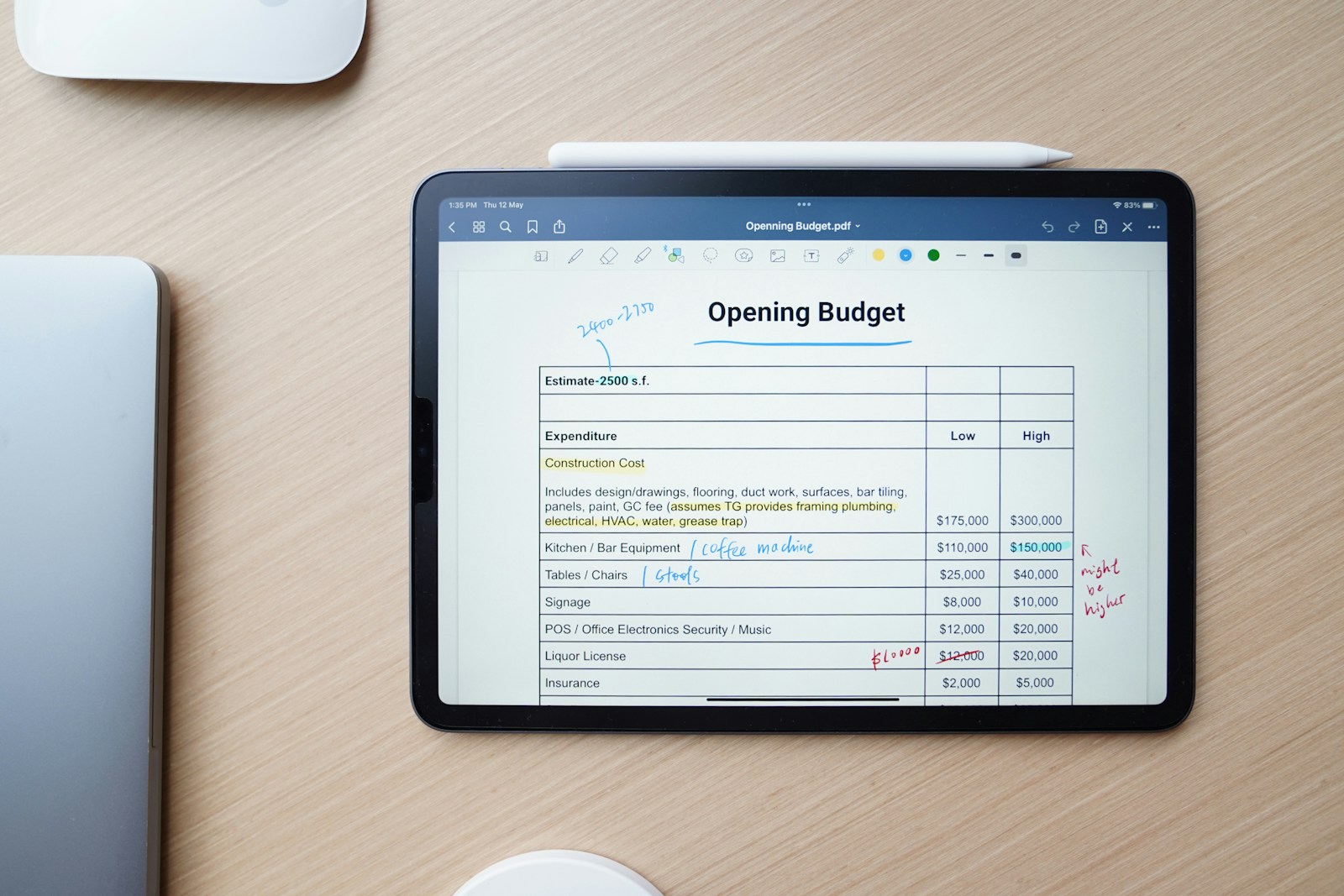
Photo by GoodNotes 5 on Unsplash
Self-insurance sounds free. But hidden costs—staff time, parts markups, loaners, and write-offs—turn device breakage into one of your least-predictable line items.
Most K–12 technology directors say it at some point: "We self-insure." It sounds prudent—maybe even frugal. No premiums, no vendor contracts, just a parts budget and an in-house repair workflow.
But self-insurance isn't free. It's a scattered collection of costs that never appear on one line item, so you never see the total. Staff time, parts markups, loaner management, write-offs, and the parent-billing cycle you'd rather not run—add them up, and "self-insure" becomes the most expensive decision hiding in your budget.
The Costs You Track
Start with the obvious ones. Replacement parts for screens, hinges, charging ports and keyboards. Depot repair fees when you send devices out. Shipping boxes and labels. Loaner carts to keep students online while their devices are out of service.
These show up somewhere in your technology budget, usually split across two or three vendors. You know what they cost because you see the invoices.
The Costs You Don't
Now add the hours. Your technology staff spend time diagnosing damage, ordering parts, tracking devices through repair, communicating with teachers and families, managing loaner inventory, and closing out tickets. Those hours are salary, benefits and overhead—real money that never touches the repair budget line.
A mid-sized district with one full-time technician dedicating even ten hours a week to device damage is spending roughly $15,000 a year in labor on breakage alone. Scale that to a multi-school district with multiple technicians, and the number becomes harder to ignore.
The Costs You Write Off
Then there are the devices you can't fix. Total-loss incidents—theft, severe liquid damage, devices that never return—get written off as shrinkage or absorbed into next year's refresh budget. Some districts bill families; most recover less than half of what they invoice, and the billing cycle itself costs staff time and goodwill.
Those write-offs don't show up as "repair costs," but they're a direct result of not having coverage. A district with 5,000 devices losing 2 percent of its fleet to theft and total loss each year is replacing 100 devices out of the technology budget—devices that could have been covered.
The Budget Reality
Self-insurance spreads costs across line items, fiscal years and department budgets. When you add them all together—parts, labor, loaners, shipping, write-offs and the billing workflow—you're often spending more per device than a fixed-rate plan would cost, and you're doing it with zero predictability.
Here's the comparison a typical district sees when they map it:
| Cost category | Self-insured (estimated annual) | AKKO district plan |
|---|---|---|
| Parts and depot repair | $45,000 | Included |
| Staff time (10 hrs/week) | $15,000 | Included |
| Loaner management | $8,000 | Included |
| Shipping and supplies | $3,500 | Included |
| Write-offs (100 devices) | $25,000 | Included |
| Total annual cost | $96,500 | One fixed price per device |
The self-insured column is what you're already spending. The right column is what one purchase order replaces.
What Fixed-Rate Coverage Looks Like
AKKO covers every device in your fleet for one price per device per school year. No deductible, no per-claim fee, no cap on claims. Your staff file by serial number or asset tag in Lighthouse; AKKO approves within 48 hours and handles repair through 3,000-plus local options or prepaid mail-in. Total-loss claims pay replacement value to the district, and coverage rolls to the new device.
Theft, loss, accidental damage, liquid submersion and mechanical breakdown—you choose which perils to include when you get quoted. Multi-year terms available. Districts with fleets three to five years old are welcome; accidental-damage pricing does not rise with device age.
One Line Item, One Predictable Cost
You approve one PO. After that, every claim costs you nothing. No surprise invoices in February when damage peaks. No reconciling parts orders across vendors. No write-offs eating into next year's refresh budget.
Available through the TIPS purchasing cooperative, contract 250106—no bid, no RFP for member districts. Prorated mid-year starts if you want to test it on one grade band or building first.
The Bottom Line
Self-insurance feels like savings because there's no premium line item. But when you map the actual costs—parts, labor, loaners, shipping, write-offs and the billing workflow—you're often spending more per incident than a comprehensive plan costs per device, and you're doing it with no predictability and no cap.
The most expensive sentence in your budget isn't a big contract. It's the two words that keep all those scattered costs invisible: "We self-insure."
Get a group quote — a 15-minute call, a written per-device price within one business day.
Want this running in your district next semester?
Book 15 minutes →