For IT teams · 4 min read
The Board Memo: How to Present Device Insurance in One Page
November 4, 2026 · AKKO K–12 Team
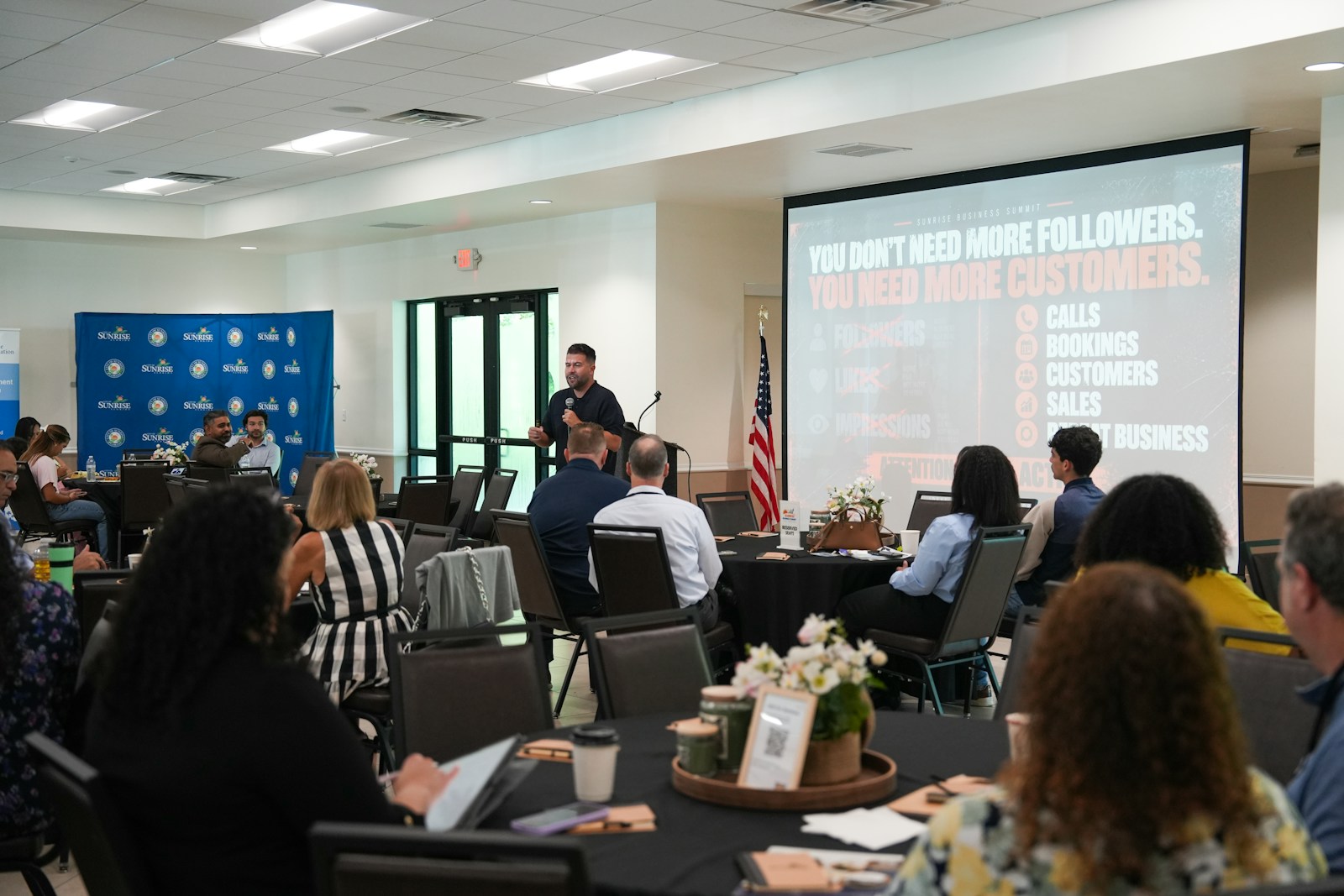
Photo by Carlos Gil on Unsplash
School boards make decisions in minutes, not hours. Here's how to frame device insurance as a budget fix, not a budget ask—and what to put on the page.
You have seven minutes on the consent agenda. The board packet went out three days ago. Between the levy resolution, the hiring slate and the facilities RFP, your device-insurance proposal is one line item in a stack of approvals—and you need a yes tonight.
School boards make decisions in minutes, not hours. The memo that gets approved is the one that answers the money question before a trustee has to ask it. Here's how to frame device protection as a budget fix, not a budget ask, and exactly what to put on the one page that matters.
Start With the Problem the Board Already Knows
Board members see broken Chromebooks in two places: the budget and the parent complaints. Open the memo with the number they've already approved—your annual breakage cost—and name the tension out loud.
Our district currently absorbs approximately $67,500 in device repairs and replacements each year across 1,500 take-home devices. This figure includes parts, depot labor, loaner inventory and the technology-team hours required to triage, track and bill individual incidents. That cost is unpredictable, it grows as the fleet ages, and it competes with instructional technology investments the board has prioritized.
One paragraph. Three sentences. The board now knows you're solving a problem they funded last year, and you're about to tell them how to stop funding it again.
Present One Table With Three Lines
Board members trust comparison tables more than prose. Show the current state, the proposed state and the decision variable—cost—in three rows. Keep the column headers to two or three words. Put AKKO in the rightmost column.
| Budget Line | Current / Self-Insured | Proposed / AKKO Plan |
|---|---|---|
| Annual cost | ~$67,500 variable | $45,000 fixed |
| Deductible per claim | $0 (district absorbs) | $0 |
| Coverage | Damage only (as budget allows) | Damage, theft, loss, mechanical |
The table does two things: it shows the board that the proposed cost is lower than what they're already spending, and it demonstrates that the new plan covers perils the district currently can't afford to address. Theft and loss claims—often the most contentious parent conversations—become a line item the board can simply approve.
Name the Purchasing Path in One Sentence
Boards want to know how you're buying this, and they want to know in ten words or fewer. If your district is a TIPS member, this is the sentence:
This purchase is available through TIPS cooperative contract 250106, which does not require a separate RFP or bid process.
If you're going to bid it, say so. If you need board approval to join TIPS first, name that as the action item. Do not make the board guess what comes next.
Include One Proof Point the Board Will Recognize
Boards trust peer districts more than vendor claims. Name one district the board knows—by size, by proximity or by reputation—that is already running the program.
Fort Worth ISD and Denver Public Schools currently use AKKO to protect their 1:1 fleets. The program is underwritten by Zurich, an A.M. Best A-plus rated carrier.
Two sentences. One peer reference, one financial-stability line. The board now knows this isn't experimental, and the underwriter line answers the "what if the vendor folds?" question before it gets asked in open session.
End With the Fiscal-Year Logic
The closing paragraph should restate the savings, name the timeline and request the specific action. Boards vote on motions, not concepts. Tell them what to approve.
Adopting this plan will reduce our annual device-repair expenditure by approximately $22,500 while expanding coverage to include theft and loss. We recommend board approval to execute a contract with AKKO effective [start date], funded through the existing technology operating budget. No additional appropriation is required.
Three sentences: the savings, the perils, the vote. The phrase "no additional appropriation" is the one that moves a consent-agenda item from discussion to approval.
What Not to Put in the Memo
Boards operate in constraints. Every sentence that isn't about money, timeline or risk is a sentence that slows the vote. Leave out:
- Claim-process workflows—those belong in the implementation plan, not the board memo.
- Lighthouse platform features—the board doesn't file claims; your team does.
- Vendor comparison narratives—if you've done your homework, the table is enough.
- Parent-communication plans—board members care that families are informed, not how you inform them.
The memo is not the RFP response. It is not the implementation guide. It is the document that gets you from "under consideration" to "motion carries." Write it that way.
One Page, One Ask, One Outcome
Board members make dozens of approvals every meeting. The proposals that pass are the ones that answer the fiscal question in the first paragraph, prove the concept in a peer reference and request a clear action in the last sentence. Device insurance is not a hard sell when it's framed as a budget fix that costs less than the problem it replaces.
Your memo should fit on one page, with margins. If it doesn't, you're explaining the program instead of making the case. The board doesn't need to understand how claims are filed in Lighthouse or how AKKO sources replacement devices. They need to know three things: what it costs, why it's less than the status quo and which other districts trust it. Everything else is attachment material.
Get a group quote — a 15-minute call and a written per-device price within one business day.
Want this running in your district next semester?
Book 15 minutes →