
For IT teams · 4 min read
Loaner Devices Are a Symptom: Fix the Repair Queue, Not the Pool
October 7, 2026 · AKKO K–12 Team
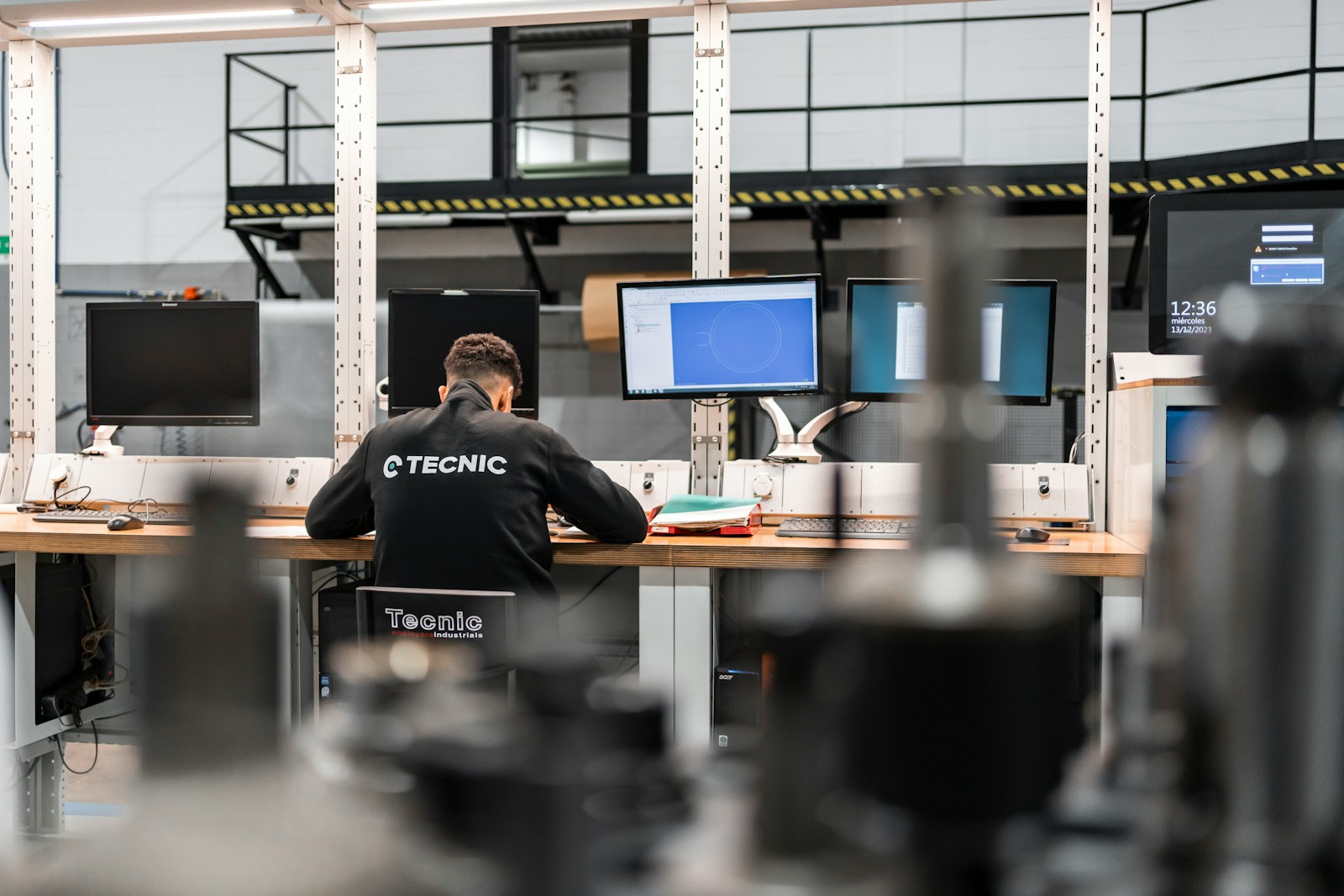
Photo by TECNIC Bioprocess Solutions on Unsplash
Your loaner cart is full because your repair queue is broken. The real problem isn't the size of the pool—it's how long damaged devices sit idle.
Your loaner cart is out of devices again. A stack of damaged Chromebooks sits in the back of the tech office waiting for quotes, parts or district approval to move forward. Meanwhile, seventeen students are walking around with loaners that aren't rostered to them, and your asset tracking report looks like a crime scene.
The instinct is to buy more loaners. That fixes the symptom—students without devices—but it doesn't fix the reason the cart ran dry in the first place: damaged devices are sitting idle too long.
The Loaner Cart Exists Because the Repair Queue Is Broken
Loaners exist to keep learning moving while a device is being fixed. The problem isn't that you need loaners; the problem is how many you need and for how long. Every day a damaged device sits waiting for approval, a parts shipment or a repair slot is another day a loaner has to be in circulation.
If your average turnaround on a cracked screen is twelve days, you need twelve days' worth of loaners to cover the incident rate. If you can get that down to three days, you need a quarter of the pool.
The bottleneck isn't the cart. It's everything that happens between "device comes in broken" and "device goes back to the student."
Where Repair Queues Stall
Most districts hit the same three choke points. None of them are about how skilled your technicians are.
| Bottleneck | What happens | Days added |
|---|---|---|
| Approval | The tech files a ticket; the claim sits in a queue waiting for someone to review and approve the spend | 2–5 days |
| Parts procurement | Once approved, the part is ordered, shipped and received before the repair can start | 5–10 days |
| In-house capacity | The approved repair waits for an open slot on your team's bench | 1–7 days |
A screen replacement that takes your technician forty minutes to complete ends up as a two-week turnaround because of everything upstream. That's two weeks the device sits in the back room. Two weeks a loaner is out. Two weeks your asset tracking is off.
More Loaners Just Means More Devices Sitting Idle
Buying twenty more loaners doesn't reduce the number of damaged devices waiting for repair. It just gives you twenty more devices to track, image, update and eventually replace when they age out.
You've now got a larger pool to manage, higher refresh costs down the line, and the same broken repair workflow that caused the shortage in the first place. The queue hasn't moved. You've just masked it with more hardware.
What Fixing the Queue Looks Like
The faster a device moves from "broken" to "fixed," the fewer loaners you need in rotation. Three changes collapse the timeline:
- Approval within 48 hours. The claim doesn't wait in a queue for manual review. It's filed by asset tag, approved in two business days, and the repair starts immediately.
- No parts procurement delay. The repair happens locally through a partner network or by prepaid mail-in with boxes and labels provided. Parts are already on hand or the device ships the same day.
- Reimbursement for in-house work. If your team prefers to do the repair, approved claims reimburse parts and labor. No PO delay, no waiting for a parts shipment to clear receiving.
That's the workflow on AKKO's district-funded device insurance. Claims are filed in Lighthouse by serial or asset tag, approved within 48 hours, and repaired locally through a network of more than 3,000 repair options or by prepaid mail-in. Turnaround shrinks from two weeks to three days, and your loaner demand drops accordingly.
A Real Example: Cutting Loaner Dependency in Half
A mid-sized district in Texas was carrying a loaner pool of 180 devices for a fleet of 4,200 Chromebooks. Average turnaround on a repair was fourteen days, and the loaners were almost never all back in the cart at the same time.
When they moved to a plan with 48-hour claim approval and local repair, turnaround dropped to four days. Within one semester, they were running the same incident rate with a loaner pool of 90 devices. They redeployed the other 90 as permanent classroom spares and stopped the next loaner refresh entirely.
Before and after
| Metric | Before | After |
|---|---|---|
| Average repair turnaround | 14 days | 4 days |
| Loaner pool size | 180 devices | 90 devices |
| Next loaner refresh cost | $36,000 budgeted | $0 (redeployed existing) |
The cost to protect the fleet was less than the cost to refresh the loaner pool they no longer needed.
The Bottom Line
Your loaner cart is a trailing indicator. It tells you how long damaged devices are sitting idle, not how many incidents you're having. If you're constantly adding to the pool, the repair queue is the problem—not the size of the cart.
Fix the queue. Collapse approval time, eliminate parts delays, and get devices back to students in days instead of weeks. The loaner pool shrinks on its own, asset tracking tightens up, and your team stops managing a second fleet that exists only because the first one moves too slowly.
Get a group quote — a 15-minute call and a written per-device price within one business day.
Want this running in your district next semester?
Book 15 minutes →